لمحة عن المدينةAperçu de la villeAbout the town
باسكنو مدينة موريتانية في أقصى الجنوب الشرقي من البلاد، وهي عاصمة مقاطعة تحمل اسمها ضمن ولاية الحوض الشرقي. نشأت المدينة ملتقىً لطرق الرُّحَّل والتجار على الشريط الساحلي (الساحل الإفريقي)، وظلّت عبر العقود نقطة وصلٍ بين البادية الموريتانية وأسواق مالي المجاورة.
يغلب على المنطقة طابع البداوة والترحال؛ فحياة الناس مرتبطة بالماشية ومواسم الأمطار، غير أنّ المدينة عرفت في السنوات الأخيرة توسّعاً عمرانياً وخدمياً ملحوظاً، بحكم دورها الإداري ووجود المنظمات الإنسانية العاملة في المنطقة.
Bassiknou est une ville de l'extrême sud-est mauritanien, chef-lieu de la moughataa (département) qui porte son nom, dans la wilaya du Hodh Ech Chargui. Née au croisement des routes des nomades et des commerçants de la bande sahélienne, elle demeure un trait d'union entre la badiya mauritanienne et les marchés du Mali voisin.
Bassiknou is a Mauritanian town in the far south-east of the country, capital of the moughataa (department) that bears its name, within the Hodh Ech Chargui region. It grew up as a meeting point for the routes of nomads and traders across the Sahel belt, and has remained a link between the Mauritanian badiya and the markets of neighbouring Mali.
La région vit au rythme du pastoralisme et des saisons des pluies. Ces dernières années, la ville a connu une croissance urbaine et un développement des services notables, portés par son rôle administratif et par la présence d'organisations humanitaires actives dans la zone.
The region lives largely by nomadism and herding; people's lives turn on their livestock and the rainy seasons. In recent years, however, the town has seen marked urban growth and an expansion of services, driven by its administrative role and by the presence of humanitarian organisations working in the area.
الموقع والمناخSituation et climatLocation & climate
تقع باسكنو في أقصى شرق موريتانيا، على مسافة قريبة من الحدود المالية، ويفصلها عن العاصمة نواكشوط نحو ألف ومئتي كيلومتر عبر «طريق الأمل» ثم المسالك الشرقية بعد مدينة النعمة عاصمة الولاية.
المناخ ساحلي جاف: صيفٌ حارّ تسبق نهايتَه أمطارُ الخريف (يوليو–سبتمبر) التي تُحيي الأودية والمراعي، وشتاءٌ معتدل النهار باردُ الليالي. وتُعدّ مواسم «الگيطنة» — الانتجاع نحو مناطق الكلأ والتمور — جزءاً من إيقاع الحياة السنوي في المنطقة.
Bassiknou se situe à l'extrême est de la Mauritanie, à faible distance de la frontière malienne. Environ 1 200 km la séparent de Nouakchott, via la « Route de l'Espoir » puis les pistes orientales au-delà de Néma, capitale régionale.
Bassiknou lies in the far east of Mauritania, close to the Malian border, some 1,200 km from the capital Nouakchott by the Route de l'Espoir and then the eastern tracks beyond Néma, the regional capital.
Le climat est sahélien et sec : un été chaud conclu par les pluies d'hivernage (juillet–septembre) qui raniment oueds et pâturages, puis un hiver aux journées douces et aux nuits fraîches. La guetna — transhumance saisonnière vers les zones de pâture et de dattes — rythme encore l'année.
The climate is Sahelian and dry: a hot summer whose end is announced by the autumn rains (July to September) that revive the wadis and the pastures, and a winter of mild days and cold nights. The seasons of the guetna — moving towards the grazing lands and the date palms — are part of the annual rhythm of life here.
أعلام ومحطاتFigures et repèresFigures & landmarks
الفريق حننه ولد سيديGénéral Hanana Ould SidiGeneral Hanana Ould Sidi
ابن باسكنو (مواليد 1956) — وزير الدفاع الوطني منذ 2019، وقائد سابق لقوة مجموعة دول الساحل الخمس المشتركة.
Fils de Bassiknou (né en 1956) — ministre de la Défense nationale depuis 2019, ancien commandant de la Force conjointe du G5 Sahel.
A son of Bassiknou (born 1956) — Minister of National Defence since 2019 and former commander of the G5 Sahel Joint Force.
الزعيم سيدي ولد حننSidi Ould HananaSheikh Sidi Ould Hanana
(1913–1991) زعيم تاريخي للمنطقة ورائد التعليم فيها: فتح أول مدرسة في باسكنو عام 1957 قبل الاستقلال.
(1913–1991) Figure historique de la région et pionnier de son éducation : il ouvrit la première école de Bassiknou en 1957, avant l'indépendance.
(1913–1991) A historic leader of the region and a pioneer of its education: he opened the first school in Bassiknou in 1957, before independence.
نيزك باسكنو — 2006La météorite — 2006The Bassiknou meteorite — 2006
في 16 أغسطس 2006 سقط قرب المدينة نيزك يحمل اسمها، صار من أشهر النيازك الموثقة في موريتانيا وتقتنيه متاحف عالمية.
Le 16 août 2006, une météorite portant le nom de la ville est tombée à proximité — l'une des plus célèbres de Mauritanie, présente dans des musées du monde entier.
On 16 August 2006 a meteorite fell near the town and took its name, becoming one of the best-documented meteorites in Mauritania and entering museum collections worldwide.
معركة باسكنو — 2011La bataille — 2011The Battle of Bassiknou — 2011
في 5 يوليو 2011 صدّ الجيش الموريتاني هجوماً لتنظيم القاعدة على المدينة، في معركة سجّلت انتصاراً وطنياً مشهوداً.
Le 5 juillet 2011, l'armée mauritanienne repoussa une attaque d'AQMI sur la ville — une victoire nationale restée dans les mémoires.
On 5 July 2011 the Mauritanian army repelled an AQIM attack on the town, in a battle remembered as a national victory.
الناس والثقافةPopulation et culturePeople & culture
مجتمع باسكنو فسيفساء ساحلية: قبائل عربية حسانية وجماعات فلانية وأخرى، جمعتهم البادية والسوق والمسجد. وتحتفظ المنطقة بموروث الضيافة الصحراوية كاملاً — الخيمة مفتوحة، والشاي ثلاثة أكواب لا يُستعجل فيها.
La société de Bassiknou est une mosaïque sahélienne : tribus arabes hassanophones, communautés peules et autres, réunies par la badiya, le marché et la mosquée. L'hospitalité saharienne y demeure entière — la tente est ouverte, et le thé se sert en trois verres que rien ne presse.
Bassiknou society is a Sahelian mosaic: Hassaniya-speaking Arab tribes, Fulani communities and others, bound together by the badiya, the market and the mosque. The region keeps the whole inheritance of desert hospitality — the tent stays open, and tea is three glasses that no one hurries.
أتاي — الشاي الصحراويLe thé saharienAtaï — Saharan tea
ثلاثة أكواب على الجمر: الأول مُرّ كالحياة، والثاني وسط، والثالث حلو كالمحبة. طقسٌ يومي يجمع الأهل والضيوف.
Trois verres sur la braise : le premier amer comme la vie, le deuxième équilibré, le troisième doux comme l'amitié. Un rituel quotidien qui réunit famille et hôtes.
Three glasses over the embers: the first bitter as life, the second balanced, the third sweet as friendship. A daily ritual that gathers family and guests.
الدراعة والملحفةDaraa et melhfaThe daraa and the melhfa
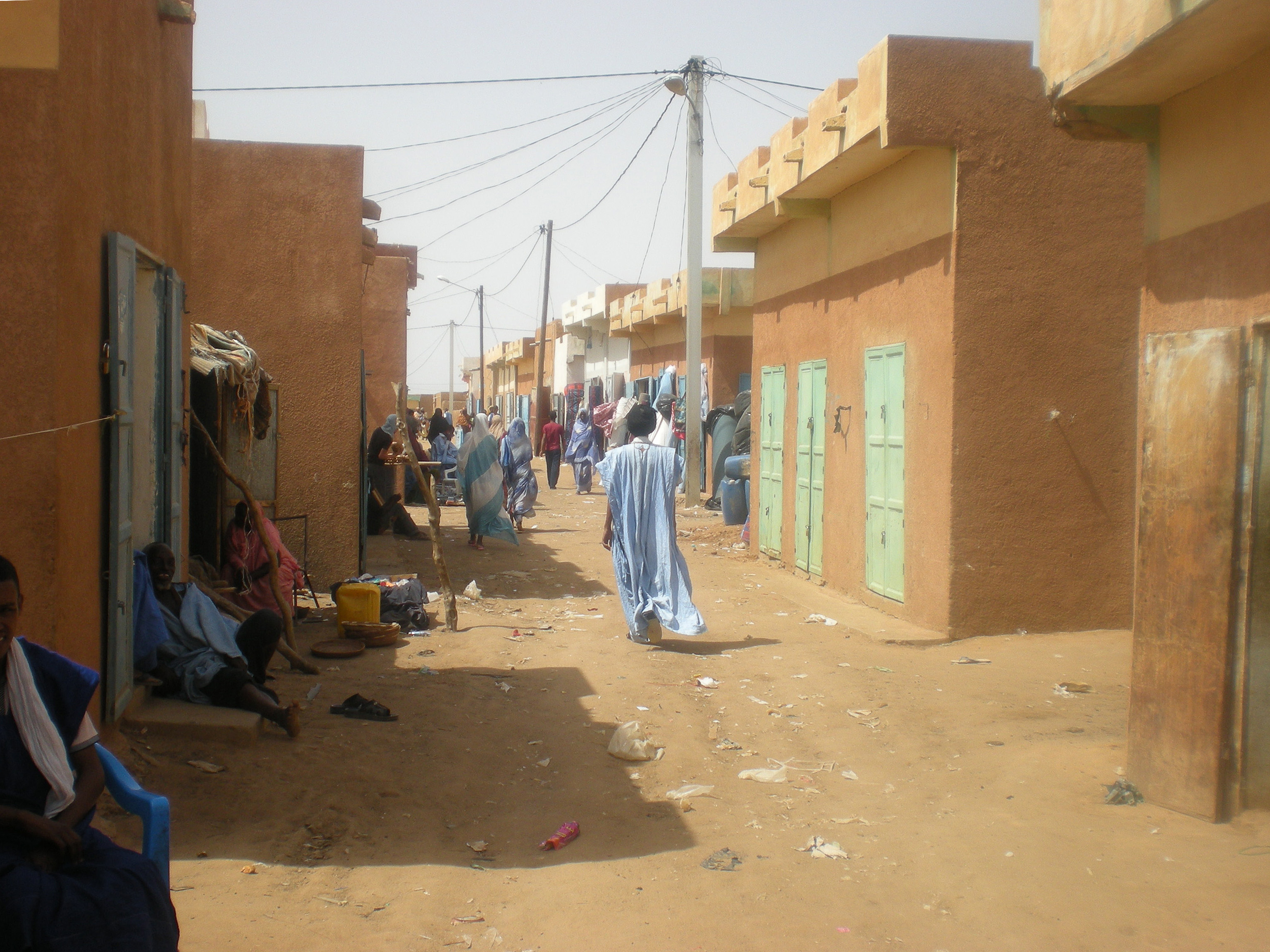
الزيّ الموريتاني الأصيل: دراعة الرجال الزرقاء أو البيضاء الفضفاضة، وملاحف النساء بألوانها الزاهية — لباسٌ فصّلته الصحراء على مقاس ريحها وشمسها.
Le costume mauritanien par excellence : la daraa ample des hommes, bleue ou blanche, et les melhfas éclatantes des femmes — des vêtements taillés par le désert, à la mesure de son vent et de son soleil.
Mauritanian dress at its most authentic: the loose blue or white daraa of the men, and the brilliantly coloured melhfas of the women — clothing cut by the desert to the measure of its wind and its sun.
الإبل والمراعيChameaux et pâturagesCamels and pastures
الثروة الحقيقية هنا تمشي على أربع: إبلٌ وأبقار وأغنام تتبع الغيث، ولبنُ النوق حاضرٌ في كل ضيافة.
La vraie richesse ici marche à quatre pattes : chameaux, bovins et moutons suivent les pluies, et le lait de chamelle honore chaque table.
The real wealth here walks on four legs: camels, cattle and sheep follow the rains, and camel milk honours every act of hospitality.
الشعر والمديحPoésie et medhPoetry and praise
موريتانيا «بلد المليون شاعر»، وللحوض نصيبه الوافر: شعر حساني، ومديح نبوي، وطبول الحفلات في الأعراس والمواسم.
La Mauritanie est « le pays au million de poètes », et le Hodh y prend toute sa part : poésie hassaniya, chants de louange et tambours des fêtes.
Mauritania is "the land of a million poets", and the Hodh takes its full share: Hassaniya verse, devotional praise singing, and festival drums at weddings and seasonal gatherings.
الأخبار والأحداثActualitésNews & events
الاقتصاد والسوقÉconomie et marchéEconomy & market
تنمية المواشيÉlevageLivestock
العمود الفقري لاقتصاد المقاطعة: قطعان الإبل والأبقار والأغنام تُباع في الأسواق المحلية وتُصدَّر نحو الأسواق المجاورة.
Colonne vertébrale de l'économie locale : les troupeaux de camelins, bovins et ovins alimentent les marchés de la région et au-delà.
The backbone of the department's economy: herds of camels, cattle and sheep are sold in local markets and exported to neighbouring ones.
التجارة الحدوديةCommerce frontalierCross-border trade
قربُ الحدود المالية جعل باسكنو محطة تبادل نشطة: مواد غذائية، وأقمشة، ومواشٍ تعبر في الاتجاهين منذ عهد القوافل.
La proximité du Mali fait de Bassiknou une place d'échange active : denrées, tissus et bétail circulent dans les deux sens depuis l'ère des caravanes.
Its closeness to the Malian border has made Bassiknou an active trading post: foodstuffs, textiles and livestock have crossed in both directions since the age of the caravans.
الخدمات والعمل الإنسانيServices et humanitaireServices and humanitarian work
بوصفها مركز المقاطعة وجوار مخيم مبرّه، تنشط في المدينة إدارات عمومية ومنظمات دولية، ما أنعش قطاع الخدمات والنقل والبناء.
Chef-lieu administratif voisin du camp de Mbera, la ville accueille services publics et organisations internationales — un moteur pour les services, le transport et la construction.
As the departmental centre and a neighbour of the Mbera camp, the town hosts public administrations and international organisations, which has stimulated services, transport and construction.
أسئلة شائعةQuestions fréquentesFrequently asked questions
أين تقع باسكنو (Bassikounou)؟Où se trouve Bassiknou ?Where is Bassiknou (Bassikounou)?
تقع باسكنو في أقصى الجنوب الشرقي من موريتانيا، وهي عاصمة مقاطعة باسكنو في ولاية الحوض الشرقي، قرب الحدود الموريتانية المالية، على بعد نحو 1,200 كلم شرق نواكشوط عبر طريق الأمل ثم النعمة.Bassiknou se trouve à l'extrême sud-est de la Mauritanie, chef-lieu de la moughataa de Bassikounou (wilaya du Hodh Ech Chargui), près de la frontière malienne, à environ 1 200 km de Nouakchott via la Route de l'Espoir et Néma.Bassiknou lies in the far south-east of Mauritania. It is the capital of the Bassikounou moughataa in the Hodh Ech Chargui region, close to the Mauritania–Mali border and about 1,200 km east of Nouakchott via the Route de l'Espoir and Néma.
من هو عمدة باسكنو الحالي؟Qui est le maire actuel de Bassiknou ?Who is the current mayor of Bassiknou?
عمدة بلدية باسكنو هو محمد ولد سيدي ولد حننه، منذ الانتخابات البلدية في مايو 2023 (حسب آخر المعلومات المتاحة، 2026).Le maire de Bassiknou est Mohamed Ould Sidi Ould Hanana, depuis les élections municipales de mai 2023 (dernières informations disponibles, 2026).The mayor of Bassiknou commune is Mohamed Ould Sidi Ould Hanana, in office since the municipal elections of May 2023 (latest available information, 2026).
من يمثل مقاطعة باسكنو في البرلمان الموريتاني؟Qui représente Bassikounou au Parlement ?Who represents Bassikounou in the Mauritanian parliament?
نائبان عن حزب الإنصاف منذ تشريعيات 2023: محمد محمود ولد سيدي، وفيه المان ولد غشة.Deux députés du parti INSAF depuis les législatives de 2023 : Mohamed Mahmoud Ould Sidi et Fih El Man Ould Ghachcha.Two members of parliament from the INSAF party since the 2023 legislative elections: Mohamed Mahmoud Ould Sidi and Fih El Man Ould Ghachcha.
كم عدد سكان باسكنو؟Quelle est la population de Bassiknou ?What is the population of Bassiknou?
بحسب الإحصاء الرسمي لعام 2023: بلدية باسكنو 21,252 نسمة، ومقاطعة باسكنو كاملة 123,337 نسمة موزعين على أربع بلديات: باسكنو، الفصالة (فصالة)، المكفه، والظهر.Selon le recensement officiel de 2023 : 21 252 habitants pour la commune et 123 337 pour toute la moughataa, répartie en quatre communes : Bassiknou, Fassala, El Megve et Dhar.According to the 2023 official census: 21,252 in Bassiknou commune and 123,337 in the whole moughataa, spread across four communes — Bassiknou, Fassala, El Megve and Dhar.
بماذا تشتهر باسكنو؟Pour quoi Bassiknou est-elle connue ?What is Bassiknou known for?
بتنمية المواشي والتجارة الحدودية مع مالي، وبنيزك باسكنو الشهير الذي سقط عام 2006، ومعركة باسكنو عام 2011 التي صد فيها الجيش الموريتاني هجوماً لتنظيم القاعدة، وبأنها مسقط رأس وزير الدفاع الفريق حننه ولد سيدي، وبجوارها لمخيم امبره للاجئين الماليين.Pour l'élevage et le commerce frontalier avec le Mali, la célèbre météorite de Bassikounou (2006), la bataille de 2011 où l'armée mauritanienne repoussa AQMI, comme ville natale du ministre de la Défense Hanana Ould Sidi, et pour sa proximité avec le camp de réfugiés de Mbera.For livestock and cross-border trade with Mali; for the famous Bassikounou meteorite of 2006; for the 2011 battle in which the Mauritanian army repelled an AQIM attack; as the birthplace of Defence Minister General Hanana Ould Sidi; and for its proximity to the Mbera refugee camp.
ما علاقة باسكنو بمخيم امبره للاجئين؟Quel lien entre Bassiknou et le camp de Mbera ?How is Bassiknou connected to the Mbera refugee camp?
يقع مخيم امبره (Mbera) للاجئين الماليين على بعد نحو 18 كلم جنوب غرب باسكنو، ويضم نحو 120,000 لاجئ (ديسمبر 2025)، وتسجل ولاية الحوض الشرقي أكثر من 167,000 لاجئ (2026). التفاصيل على mberacamp.com.Le camp de Mbera se trouve à ~18 km au sud-ouest de Bassiknou et compte ~120 000 réfugiés maliens (déc. 2025) ; plus de 167 000 réfugiés sont enregistrés dans le Hodh Ech Chargui (2026). Détails sur mberacamp.com.The Mbera camp for Malian refugees lies about 18 km south-west of Bassiknou and holds some 120,000 refugees (December 2025); more than 167,000 refugees are registered across the Hodh Ech Chargui region (2026). Full details at mberacamp.com.